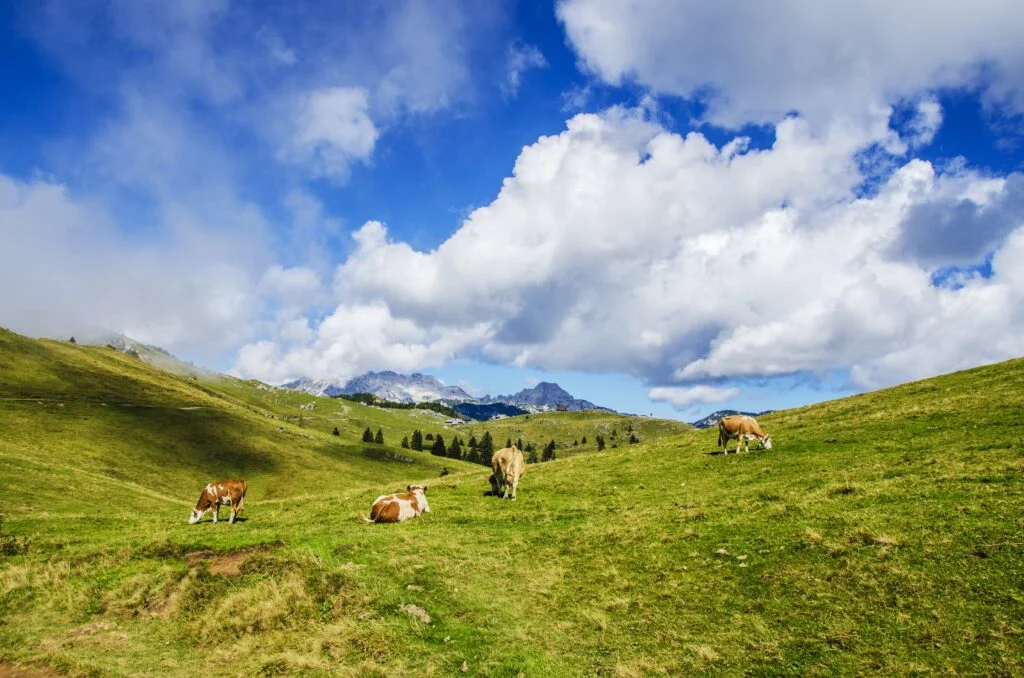
The change in livestock farming and production of meat harms the environment by producing greenhouse gas emissions and necessitates the use of additional water and land. Large scale farming to cater to the demand will also put pressure on arable land and the use of fossil fuels and energy demand.
Therefore, it is imperative to have sustainable approached to produce food while conserving soil, water and energy resource as they are becoming scarce.
Rise of middle class has given rise to urbanization. Urban migration of labour has also put additional pressure for resources in cities.
Around the world, agriculture now uses 70% of all water drawn. 30% of all the energy used on earth is used in food production and supply chain. These ratios have an adverse effect on ecosystems. There is an urgent need to create more efficient use of water and energy throughout the agri-food chain because the world will have a 40% global water deficit by 2030 and a 30% increase in energy demand by 2040. Climate change will also exacerbate this.
Also, the educated masses especially the consumers are demanding greater transparency and traceability of the origin of their food. This is apparent in the urban middle class.
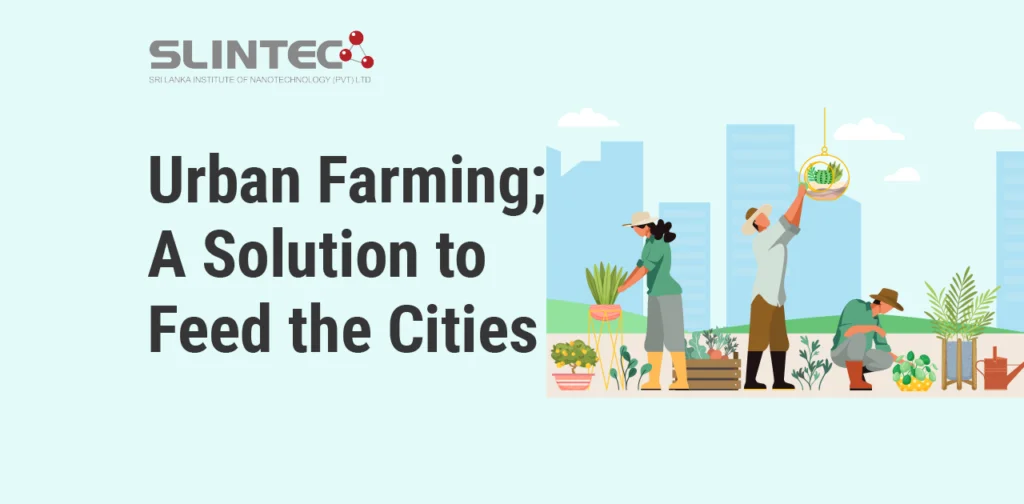
Thus, urban farming could be the solution in feeding the cities.
As mentioned earlier, catering to the growing demand of food with urbanization, farming practices would need to be redesigned and changed. According to the FAO, urban poor consumers spend 60–80% of their income on food, making them very vulnerable to higher food prices. Hence, the ideal solution is to produce vegetables, fruits and other food or raising animals in and around cities. Urban agriculture is now practiced in both developed and developing countries.
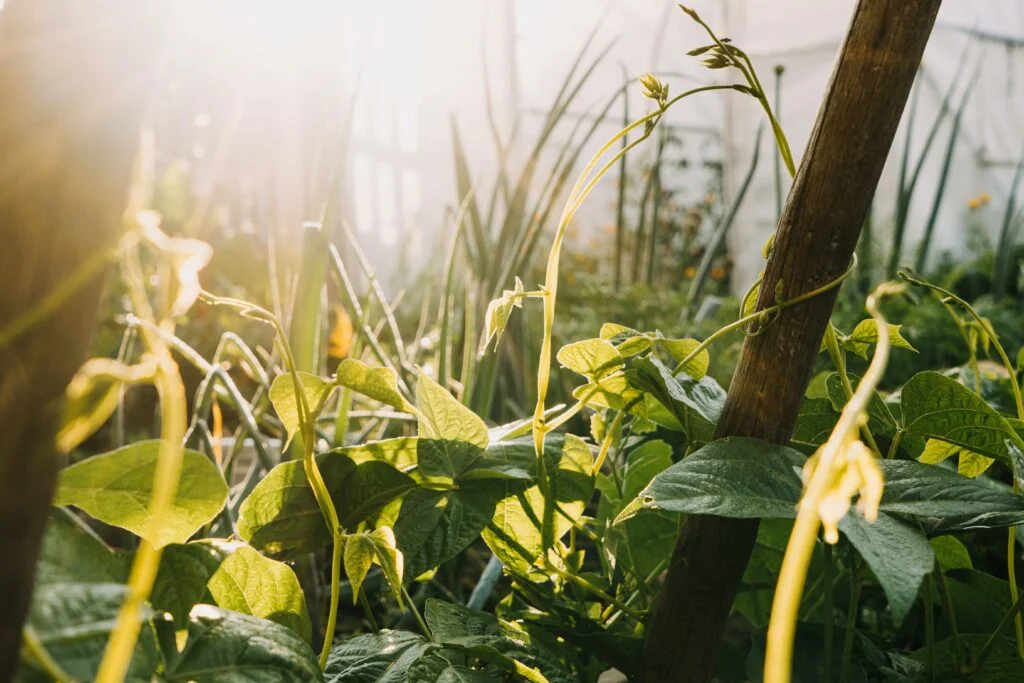
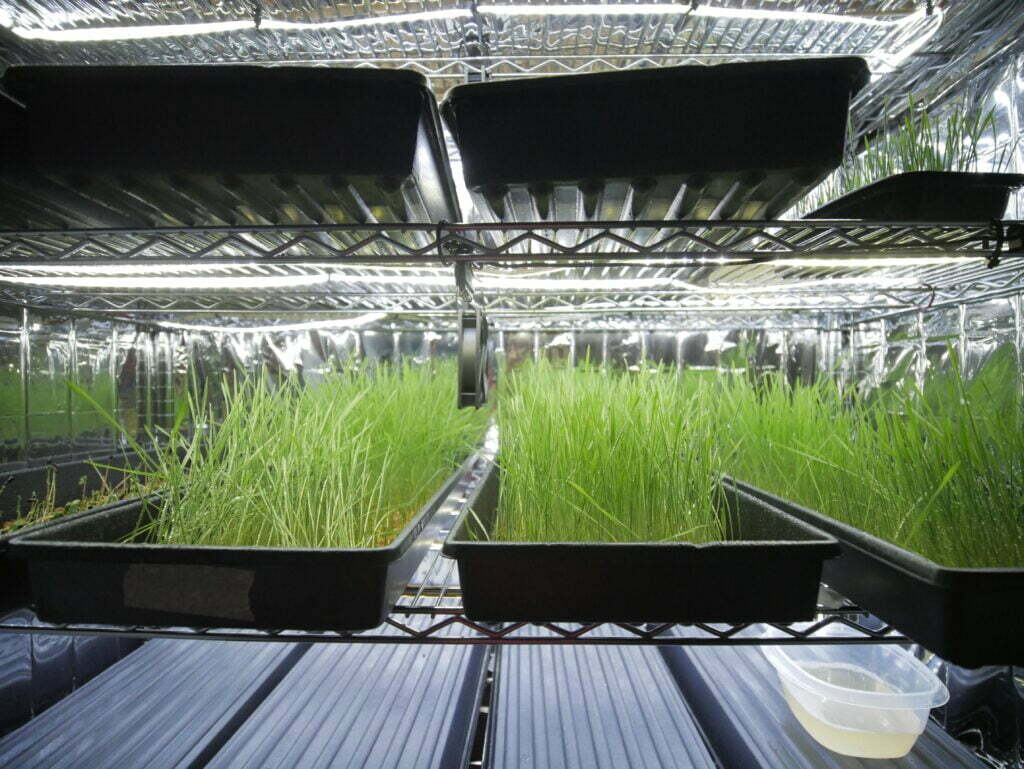
According to FAO, approximately about 1 billion people are engaged in urban agriculture around the world. Most urban agriculture is done in small plots of land and urban spaces available for cultivation, bee keeping and animal husbandry. Roof top vegetable and fruit gardens are a popular choice in urban agricultural practices.